
100 Million Pebbles Tossed by 1.7 Million Pilgrims at Jamarat: Where Do the Stones End Up?
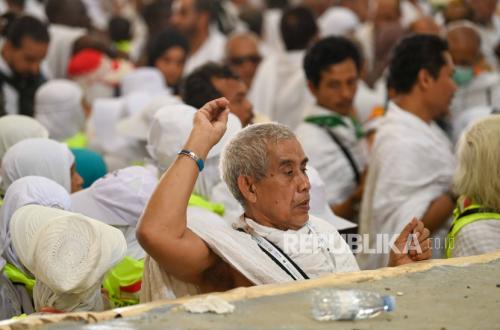
Makkah — One of the key moments of the Hajj pilgrimage is the stoning of the jamarat. The ritual symbolises Ibrahim, Hajar, and Ismail’s resistance against Satan’s temptations as they obeyed Allah’s command.
During this ritual, over 1.7 million pilgrims throw pebbles at three pillars to symbolise rejection of evil. An estimated 100 million pebbles are used. After the ritual concludes, where do all these stones end up?
The answer becomes clear when Mina Valley and the Jamarat area fall silent post-Hajj season. The Saudi government employs a meticulous scientific system to manage the stones.
According to Gulf News, the stoning ritual begins on Eid al-Adha (10 Dhu al-Hijjah), when pilgrims cast pebbles at the Jamarat al-Aqaba pillar.
For the following two or three days, known as the Days of Tashreeq, pilgrims throw seven pebbles each at the three pillars: Jamarat al-Ula (small), Jamarat al-Wusta (medium), and Jamarat al-Aqaba (large).
Each pilgrim uses a total of 49 pebbles if they choose Nafar Awal (stoning over three days) or 70 pebbles for Nafar Tsani (staying until the fourth day).