
100 GW Solar Power Plant Plan Deemed to Strengthen Indonesia's Energy Resilience Amid Geopolitical Turmoil
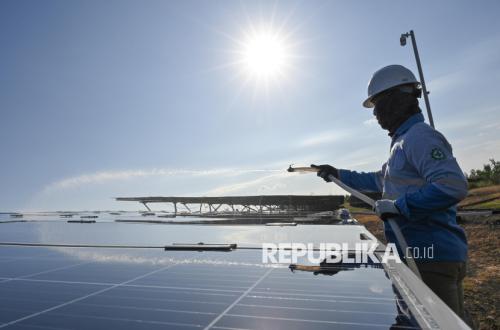
The plan to construct a solar power plant (PLTS) with a capacity of 100 gigawatts (GW) is considered a strategic step to strengthen Indonesia’s energy resilience amid rising global geopolitical uncertainties.
Policy Strategist at CERAH, Naomi Devi Larasati, stated that tensions in the Middle East serve as a crucial reminder of the importance of diversifying national energy sources. According to her, reliance on fossil fuels makes Indonesia vulnerable to price shocks and supply disruptions due to international conflicts.
“With the 100 GW PLTS, Indonesia can build domestic energy resilience that is more resistant to shocks from global geopolitical conflicts,” Naomi said in a written statement in Jakarta on Friday.
She assessed that the current global trend shows several countries returning to coal to ensure energy supply security. However, this step is viewed as only short-term and high-risk in the long term, especially amid international policy pressures on carbon-based energy.
Naomi added that the fossil energy sector now faces dual challenges. In addition to price volatility, global financial institutions are beginning to withdraw from funding coal projects. On the other hand, policies such as the Carbon Border Adjustment Mechanism (CBAM) could burden export products that still rely on high-carbon energy.
The experiences of other countries also serve as references. Pakistan, for instance, accelerated the development of renewable energy after being affected by the Russia-Ukraine conflict, as an effort to reduce dependence on imported energy and enhance domestic industrial resilience.
In addition to the energy resilience aspect, large-scale PLTS development is also seen to open opportunities for the growth of the national green industry. From solar panel manufacturing, job creation, to technology transfer that can strengthen Indonesia’s economic competitiveness.
However, realising this target requires significant policy adjustments. Currently, the PLTS target in the Electricity Supply Business Plan (RUPTL) is still around 17 GW, far below the proposed potential.
Vice Chairman of the Standing Committee on New Renewable Energy Planning of Kadin Indonesia, Feiral Rizky Batubara, assessed that strengthening governance is a key factor in attracting investment to this sector.
According to him, improvements in transparent tender processes, regulatory consistency, and the provision of fiscal and non-fiscal incentives are very necessary to encourage capital inflows.
“We need a green financing scheme so that all energy transition programmes have easier access to funding. The instruments could include green bonds, tax deductions, and the implementation of carbon tax,” said Feiral.