
100% Electrification: Towards an Indonesia Bright in Body and Spirit
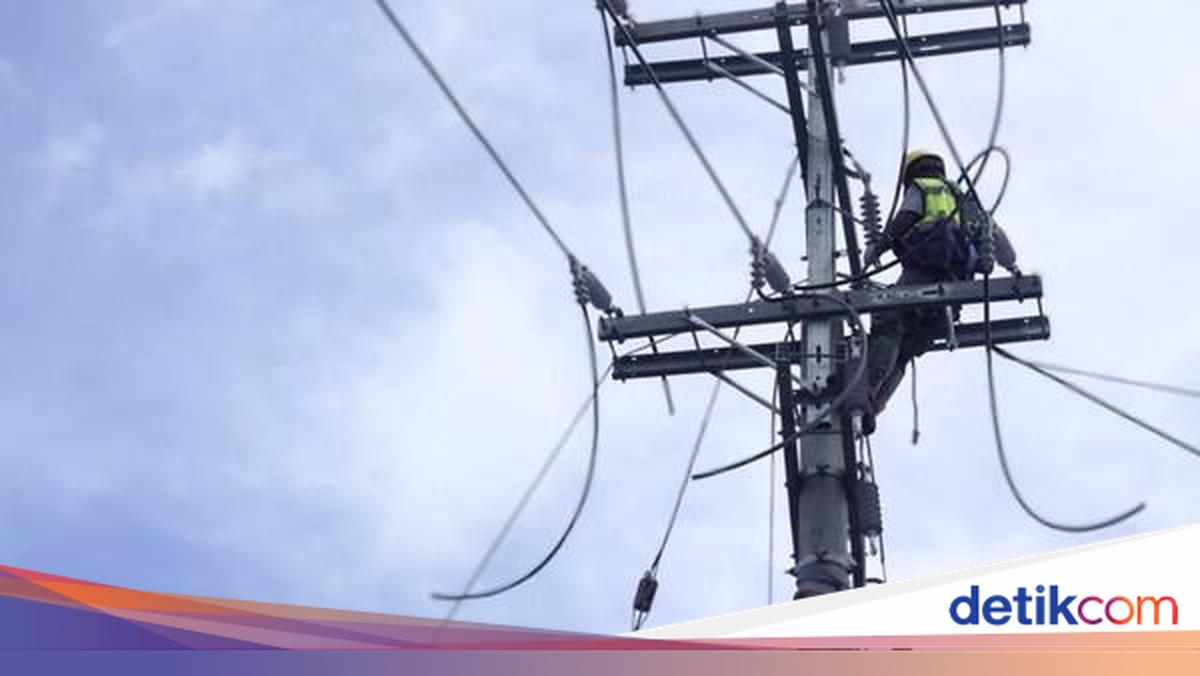
The policy of President Prabowo Subianto’s administration to complete electrification in 5,700 villages and 4,400 hamlets, particularly in the 3T regions (Underdeveloped, Outermost, and Frontier), constitutes the last mile electrification phase—the final stage of providing reliable electricity access to villages and hamlets that have yet to receive it. This policy will undoubtedly have a tangible impact on rural communities, both economically and in terms of social welfare.
Electrification is closely linked to economic development and social welfare. From an economic perspective, electricity will enhance productivity, investment, and business growth in villages. Socially, electricity improves access to education, healthcare, information, and the overall quality of life for the community.
The electrification policy is not merely an energy sector policy; it is a strategic instrument for achieving inclusive development, regional equity, and improved community welfare. The significance of electrification for the economy and social welfare is a key reason to concretise the target set by President Prabowo for 100% completion by 2029. Several steps taken by the government over the past 19 months serve as important milestones. For instance, exactly one year ago, the President inaugurated 47 Solar Power Plants (PLTS) across 47 villages with a total capacity of 27.8 megawatts, providing access to 5,383 households, especially in the 3T areas.
Additionally, the government is continuing the Village Electricity (Lisdes) programme via the grid. In 2025, work was carried out at 1,516 locations serving 77,616 customers. The electrification commitment of President Prabowo’s administration is also demonstrated through budget politics, which have seen a significant increase in fiscal support for village electrification, with emphasis on the Lisdes programme, free electricity connections (BPBL), and infrastructure development in 3T regions as a strategy to achieve inclusive and universal electricity access targets.
The government’s commitment to realising electrification is further shown through budget allocations. In the 2025 fiscal year, the government, through the Ministry of Energy and Mineral Resources, allocated a budget of Rp 4.35 trillion, with assignments to PLN for the Lisdes programme and the New Electricity Installation Assistance (BPBL) scheme. For 2026, Rp 5 trillion has been specifically allocated for the Lisdes programme alone, equivalent to 1,135 locations. The total budget for 2026 amounts to Rp 9.6 trillion, with a target Lisdes programme coverage of up to 2,000 points. Similarly, the BPBL programme’s target has been increased from 250,000 beneficiaries to 500,000 beneficiaries.
The Added Value of Solar Power Plants
The parallel and simultaneous steps initiated by President Prabowo Subianto’s administration in the electrification policy must be carried out on a colossal scale, involving various stakeholders through multiple schemes. One scheme that has recently garnered government attention is the construction of Solar Power Plants (PLTS).
The policy choice to make PLTS the backbone of the 100% electrification programme in hamlets and villages classified as 3T is a strategic and tactical move. Economically, PLTS construction will serve as an accelerative instrument in the electrification programme, especially in hard-to-reach areas scattered across the archipelago. PLTS construction is simpler and does not depend on the PLN grid.
PLTS will linearly reduce the use of fossil fuels. In reality, many villages access electricity through Diesel Power Plants (PLTD) or diesel generators. PLTS can reduce diesel consumption, thereby lowering long-term operational costs, easing the burden of energy subsidies, and enhancing local energy resilience.
In line with this, PLTS generates electricity without producing emissions from burning fossil fuels. This certainly adds value in promoting sustainable development. PLTS will lower carbon emissions, reduce air pollution, and support national renewable energy targets. This added value is crucial as Indonesia strives to increase the share of new and renewable energy in its electricity system.
Electrification through PLTS construction is like the old proverb, ‘rowing once, passing two islands’. This is because PLTS is not just an energy project, but an instrument for economic development and social welfare based on renewable energy. This issue is contextual amidst global geopolitics, which highlights the vulnerability of fossil-based energy. In reality, this energy source depends not only on supply but is also inseparable from global geopolitical factors.
Furthermore, PLTS construction holds strategic value in supporting equitable development and strengthening national energy sovereignty. By utilising locally available solar energy, dependence on fossil fuels and high energy logistics costs can be reduced, especially in remote areas difficult to reach by conventional electricity grids. PLTS-based electrification also symbolises the state’s presence in reaching regions that have long faced infrastructure limitations. Therefore, this policy not only contributes to a sustainable energy transition but also serves as a means to strengthen national integration, reduce inter-regional disparities, and encourage more inclusive economic growth.
The Government’s Commitment
The commitment of President Prabowo Subianto’s administration to electrification through PLTS has been evident since the beginning of his term. The realisation of the PLTS programme in 47 villages with a capacity of 27.8 megawatts in 2025 is proof of the government’s commitment to realising the 100% electrification programme by 2029. The President has specifically instructed his ranks to ensure this target is met.