
100 Days of US-Israel vs Iran War: The List of Provisional Winners
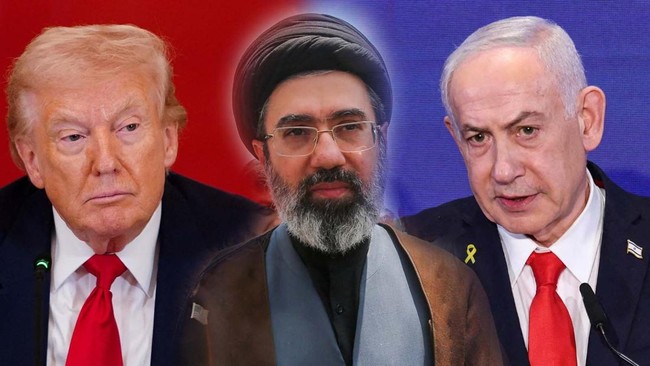
One hundred days since the war between Iran and the US-Israel alliance broke out in late February, no absolute winner can be declared as the master of the conflict. However, developments over the past three months have resulted in several parties gaining strategic advantages, while others have suffered significant losses far exceeding initial pre-war estimates.
When US President Donald Trump launched military operations against Iran on 28 February, claiming the war would end quickly, many predicted the Tehran government would collapse or at least suffer a fatal weakening. In reality, after 100 days of fighting, the power map has become far more complex. The war has caused an estimated 2,211 deaths, over 22,000 injuries, and displaced at least 3.9 million people.
Over the past three months, the conflict has expanded beyond Iran and Israel to include Lebanon, destabilising global energy markets, triggering Iranian retaliatory strikes against Gulf nations, and testing US influence in the Middle East alongside the effectiveness of international diplomacy.
According to an analysis by Newsweek, the following parties are considered provisional winners:
The Iranian Government
One party deemed a ‘provisional winner’ is the Iranian government itself. Initial waves of attacks destroyed Iranian air defence systems, missile launchers, and naval assets, and resulted in the deaths of Supreme Leader Ayatollah Ali Khamenei and several high-ranking officials. These initial successes led Trump to issue statements suggesting the Iranian regime was on the brink of collapse. However, by day 100, the Iranian government remains standing.
While Iran has suffered significant infrastructure damage and mounting economic pressure—exacerbated by a US blockade on Iranian ports implemented on 13 April—the primary goal of regime change has not been achieved. Washington’s focus has shifted from encouraging domestic uprisings to attempting to halt Iran’s nuclear weapons development. Conversely, Iran has inflicted significant economic and military costs on its adversaries, damaging US military bases and forcing Israel, the US, and Gulf states to deplete much-needed ammunition supplies. Furthermore, Iran has effectively closed the Strait of Hormuz, a strategic artery for approximately one-fifth of global hydrocarbon trade.
China
China is another party seen to be benefiting from the war. Beijing purchases approximately 90% of Iran’s crude oil exports, making China its most vital trading partner. This position gives President Xi Jinping greater leverage when calling for the reopening of the Strait of Hormuz compared to pressure from Trump. As US role as the primary protector of the Middle East is questioned, China has an opportunity to expand its influence in shaping a new regional order. Allen Carlson, a China foreign policy expert at Cornell University, noted that Xi has successfully utilised this geopolitical momentum to present himself as a global leader.
Ukraine
The war in Iran has indirectly benefited Ukraine by diverting global attention away from the Russian invasion. Simultaneously, Russian oil prices have surged, with Urals crude prices tripling, increasing Moscow’s energy revenues by up to US$10 billion per month. However, Ukraine has found new opportunities; its experience with Iranian-made Shahed drones used by Russia has become a valuable asset. Kyiv has begun offering anti-drone expertise to the US and Gulf states, potentially strengthening its partnerships and technological standing in Washington.
The Losers: Energy Markets
On the losing side, global energy markets have been among the greatest victims. The closure of the Strait of Hormuz by Iran has driven Brent crude prices significantly higher…