
100 Days of Iran War: Gulf States Struggle to Maintain Stability
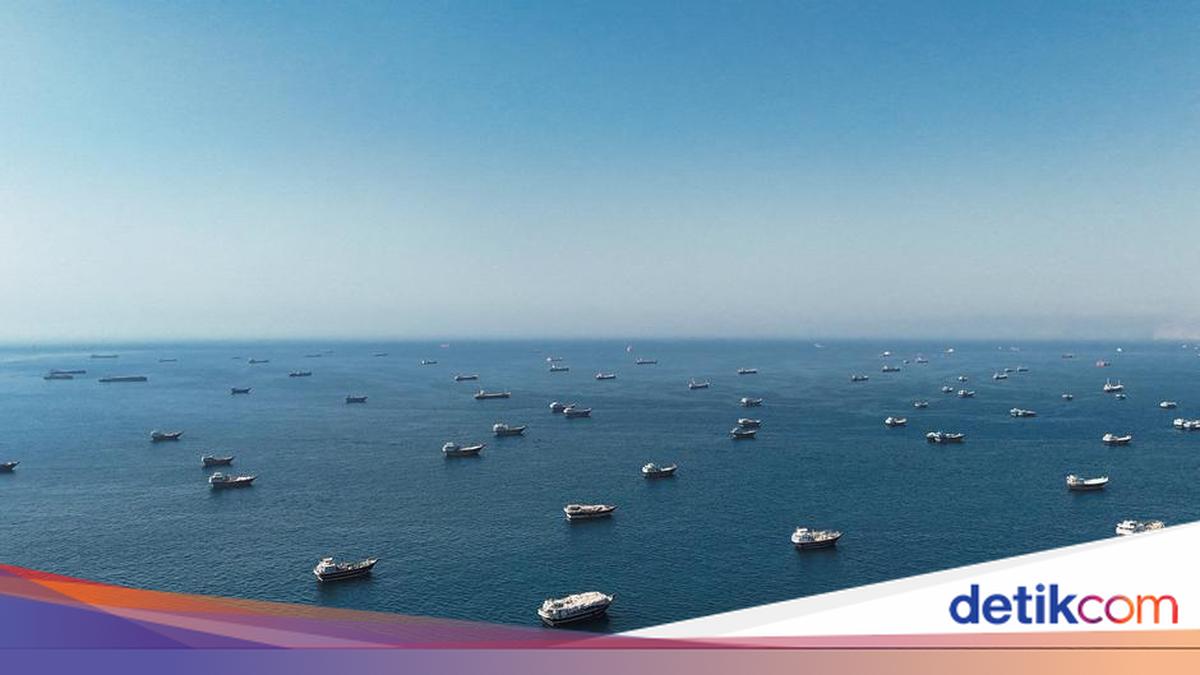
Since the US and Israel intensified joint attacks on Iran in late February, and a ceasefire was subsequently implemented, GCC nations have been working tirelessly to stabilise the situation. Key infrastructure in the region has been targeted by thousands of ballistic missiles and drones, while blockades of the Strait of Hormuz by both Iran and the US have severely shaken regional trade and economic stability.
Simultaneously, Gulf governments are attempting to avoid further entanglement in the conflict. In recent years, Gulf nations, particularly Saudi Arabia, have ambitiously reformed their economic sectors through diversification and reducing reliance on oil revenues. These changes have also reshaped foreign policy, tourism, aviation, logistics, and technology, with artificial intelligence becoming a central pillar of national development strategies.
However, a new era is unfolding, according to Cinzia Bianco, a Gulf analyst at the European Council on Foreign Relations. “The Iran war has triggered a major shift in the perception of these countries regarding security and politics,” she told DW. Meanwhile, the tourism sector is facing intense uncertainty. In March, Dubai International Airport was targeted by Iranian drones, leading to the cancellation of over 30,000 flights to and from the Middle East. Additionally, jet fuel prices have nearly doubled compared to the previous year due to the Strait of Hormuz blockade.
Pauline Raabe, a Gulf observer at the Berlin-based think tank Middle East Minds, noted that the image of the Gulf as a safe haven has been damaged in the short to medium term. Moody’s has recently estimated that hotel occupancy rates in Dubai could plummet from 80% to 10% by the second quarter of 2026. Furthermore, the World Bank slashed its economic growth forecast for the GCC from 4.4% to 1.3% in April.
Beyond airports, Iran has also targeted hotels, US military bases, and local energy infrastructure. Qatar Energy stated that repairs to the Ras Laffan industrial complex could take up to five years following missile strikes in March. Qatar Energy CEO Saad Al Kaabi told the BBC that the scale of the damage has effectively set the region back 10 to 20 years. Meanwhile, oil and gas exports from Bahrain, Kuwait, and Qatar remain disrupted, with Moody’s projecting Bahrain’s economic outlook to shift from stable to negative.
Conversely, Oman, Saudi Arabia, and the UAE face slightly different prospects due to their diversionary infrastructure. Saudi Arabia has diverted part of its production to east-west pipelines towards the Red Sea, and the UAE utilises local land pipelines from Habshan to Fujairah to continue exports. Saudi Aramco reported that profits for the first quarter of 2026 surged by 26%. Since the UAE exited OPEC and the OPEC+ alliance on 1 May 2026, the nation has been able to act independently of production quota systems.
Analysts predict that even after the war ends and the Strait of Hormuz reopens, higher risk premiums will continue to drive up regional prices. While the financial sector is expected to recover quickly once hostilities subside, Gulf nations realise they must take greater responsibility for their own security. New defence pacts are being formed; the UAE recently signed an agreement with France, and Qatar signed a new Memorandum of Understanding (MOU) with Canada. Reports also suggest Israel has deployed its Iron Dome air defence system and operational personnel to the UAE. Despite these tensions, the UAE has refrained from severing diplomatic ties with Iran, instead adopting rhetoric aimed at de-escalating conflict and fostering regional peace.
Source: jawawa.id (https://jawawa.id/newsitem/100-days-of-iran-war-gulf-states-struggle-to-maintain-stability-1780817951)
Originally published by detikcom (https://news.detik.com/dw/d-8519224/100-hari-perang-iran-negara-teluk-berupaya-menjaga-stabilitas), translated from Indonesian