
100 days into Iran war: How rising costs are hitting consumers and businesses in Southeast Asia
100 days into Iran war: How rising costs are hitting consumers and businesses in Southeast Asia
As the war on Iran marks its 100th day on Monday (Jun 8), CNA looks at how the geopolitical crisis is filtering into everyday life across the region.
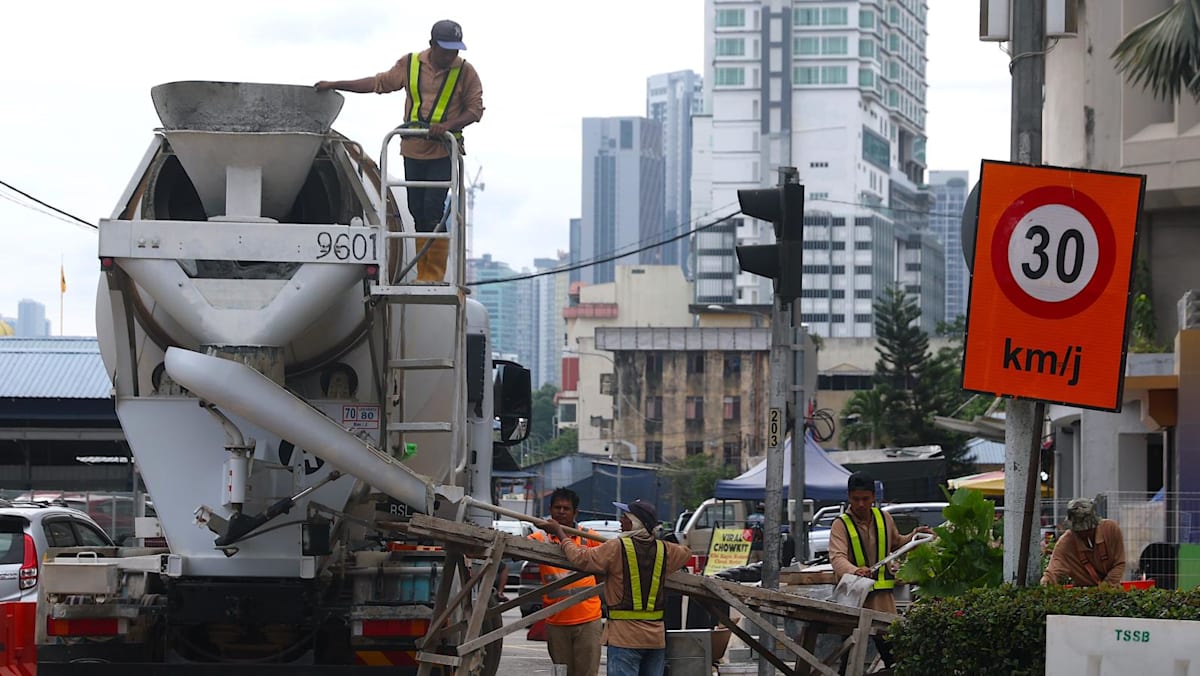
SINGAPORE: More than three months into the war on Iran, the aftershocks from disrupted Middle Eastern energy and shipping routes are being felt far beyond the oil market, from road construction sites in Malaysia to food and beverage operators in Indonesia.
The conflict has disrupted trade through the Strait of Hormuz - a vital chokepoint for oil and gas supplies heading to Asia - driving up costs of not only fuel and petroleum-based materials, but also less obvious goods, across the region.
For Malaysian contractor Sukumar Subrayalu, founder and managing director of Sugu Construction, the impact has been profound.
The price of bitumen - a key material used in road and pavement works - has surged some 70 per cent from around RM1,700 (US$430) to nearly RM2,900 per tonne, while diesel prices have jumped by more than 80 per cent, he told CNA.
Suppliers are revising prices at short notice, squeezing contractors already locked into fixed-price agreements, Sukumar added.
“At this stage, the industry is facing more of a price volatility issue rather than a complete supply shortage,” he said.
“While supply is still available, contractors are facing challenges in budgeting and cost forecasting because prices can change within a short period of time.”
Across Southeast Asia, businesses are grappling with similar pressures as disruptions linked to the conflict have rippled through global supply chains.
From plastic packaging and helium supplies to fertiliser and food production, industries reliant on petroleum-based materials are facing sharp price swings, forcing firms to raise prices, absorb losses or rethink operations altogether.
As the Iran war which began on Feb 28 marks its 100th day on Monday (Jun 8), its repercussions are being felt in everyday life across Southeast Asia, with governments and consumers having to brace for higher costs of building roads, milk packaging and even filling party balloons among others.
Experts and industry players warn that the disruptions are likely to persist beyond the next six months, even if tensions ease, describing the impact as a long-term “structural shock” to regional supply chains and production costs.
FROM ROADS TO RESIN AND HELIUM
Malaysia’s Deputy Works Minister Ahmad Maslan said in April that a third - or 280 of 855 - road construction and maintenance projects across the country had experienced delays due to rising construction material and diesel costs.
That number is expected to increase if cost pressures continue, he warned, as reported by Malaysian news outlet Malay Mail.
To cope, contractors are absorbing part of the higher costs to avoid project stoppages or contractual disputes, particularly for government projects, said Sukumar.
“Some firms are slowing down work sequences, operating fewer machines, extending construction schedules and prioritising critical activities only,” he added.
As bitumen is petroleum-based, fluctuations in global oil prices and supply chain disruptions have a direct impact on material costs. Bitumen typically makes up about 4 to 7 per cent of the premix used in pavement works, said Sukumar.
He noted that as most construction projects are awarded under fixed-price contracts, contractors are unable to pass on the higher bitumen costs, putting pressure on profit margins, cash flow and overall project viability.
“In certain cases, contractors have also engaged in discussions and negotiations with project owners, clients, suppliers and subcontractors to mitigate the impact, including requests for price adjustments, extension of time, alternative material sourcing or revision of project implementation schedules.”
Sukumar, who is also a council member of the Master Builders Association Malaysia, said construction companies in Malaysia are tightening operational efficiency by reducing wastage, consolidating deliveries and using existing material stock before placing new orders.
Similarly in Thailand, the Thai Contractors Association has warned of a potential wave of abandoned projects and site closures as diesel, steel and freight costs reached “unsustainable levels”, reported The Nation.
“Many private (project) owners are opportunistically ignoring the reality of the market … Without a price escalation clause in these contracts, the contractor is expected to absorb 100 per cent of the risk,” association president Liza Ngamtrakulpanit told The Nation.
The disruptions are also rippling through Southeast Asia’s plastics industry, which depends on naphtha imported from the Middle East.
Naphtha, a petrochemical derived from crude oil, is widely used in the production of plastics found in everything from food packaging to personal protective equipment.
In Indonesia, entrepreneurs have even taken to social media, with parody TikTok videos showing products wrapped in banana leaves instead of plastic, jokingly calling it their “solution to rising plastic prices”.
Indonesia’s Industry Ministry said firms have also begun diversifying packaging materials, turning to paper, glass, metal and recycled plastics, reported the Jakarta Post.
The Malaysian Plastic Manufacturers Association (MPMA) told CNA that prices of polyethylene and polypropylene, both derived from naphtha, jumped by about 90 per cent in April, from around US$930 to US$1,700 per tonne.
“There are also severe shortages in the market for certain grades and some buyers can no longer buy from usual suppliers because local suppliers have declared force majeure, while others are limping,” said MPMA’s president CC Cheah.
Prices have since retreated from their peak, averaging about US$1,450 per tonne for common grades in June, according to MPMA.
The association said supply pressures began to ease in May as manufacturers turned to alternativ
Source: jawawa.id (https://jawawa.id/newsitem/100-days-into-iran-war-how-rising-costs-are-hitting-consumers-and-businesses-in-southeast-asia-1780793711)
Originally published by CNA (https://www.channelnewsasia.com/asia/iran-war-southeast-asia-price-supplies-100-days-6161816)