
10 richest countries in the world in 2026, Monaco at the top
A number of countries with relatively small populations continue to dominate the list of the world’s richest countries in 2026 when measured by gross domestic product (GDP) per capita. Projection data from the April 2026 World Economic Outlook (WEO) of the International Monetary Fund (IMF) show considerable differences in GDP per capita between countries. GDP per capita is used to view the average economic value generated for each resident.
The following is a list of the top 10 countries based on nominal GDP per capita in 2026 from available IMF data:
Monaco – around US$288,002 per capita
Liechtenstein – around US$226,809
Luxembourg – around US$158,733
Bermuda – around US$142,250
Ireland – around US$140,186
Switzerland – around US$126,177
Iceland – around US$110,048
Singapore – around US$107,758
Norway – around US$105,877
Cayman Islands – around US$104,293
- Monaco
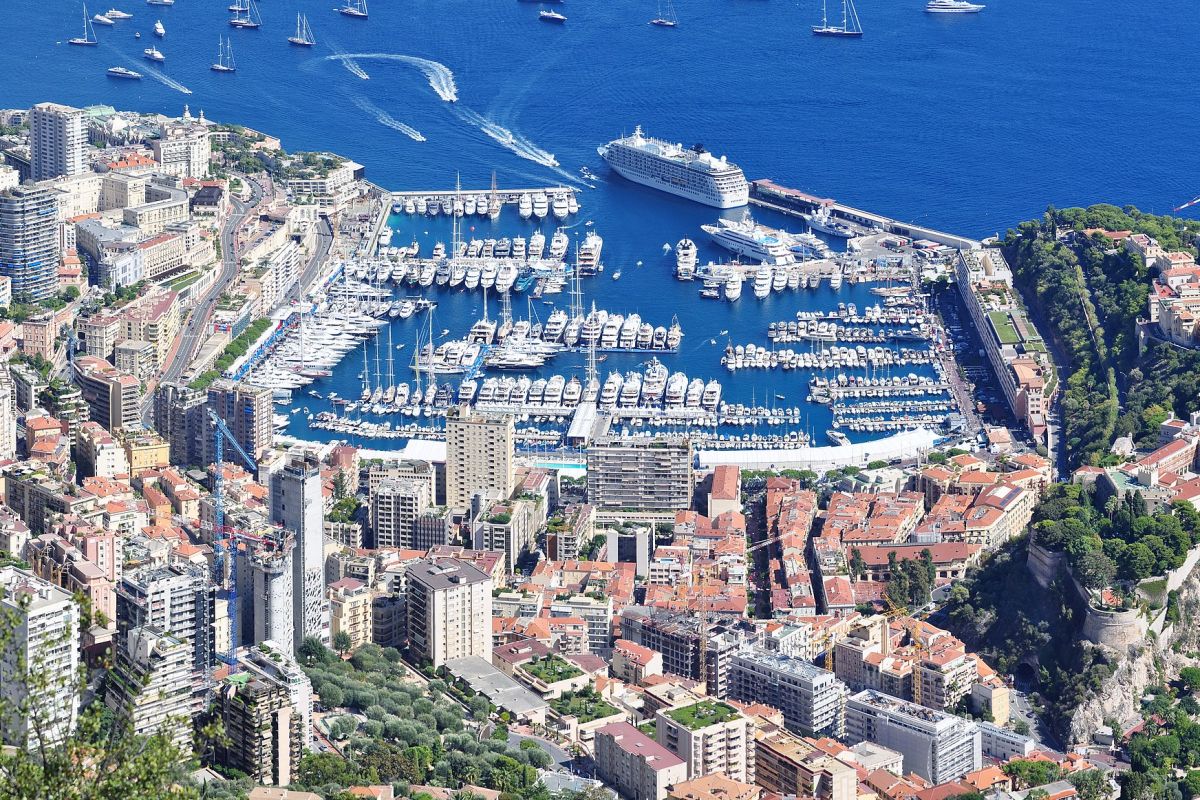
Monaco is in the top position with a GDP per capita of around US$288,000. This figure is very high compared with most other countries in the world. However, Monaco’s figure needs to be read with caution because the microstate has economic and demographic characteristics that differ from countries with large populations. The data available in the 2026 list comes from the World Bank for Monaco, not IMF projections.
- Liechtenstein
Liechtenstein occupies second place with a GDP per capita of around US$226,809. The small country located between Switzerland and Austria is known for having an economy with strong industrial and service sectors. Its high GDP per capita is also influenced by its relatively small population.
- Luxembourg
Luxembourg is in third place with a GDP per capita of around US$158,733. This European country is known as one of the world’s financial centres. The financial services sector is an important part of its economy and helps support its high per capita income.
- Bermuda
Bermuda is recorded as having a GDP per capita of around US$142,250. Like several other small territories in the list, this figure needs to be understood in the context of population size and economic structure.
- Ireland
Ireland occupies fifth place with a GDP per capita of around US$140,186. Ireland is one of the European countries with a very high GDP per capita achievement. The country is also home to a number of multinational companies, so economic activity and foreign investment play an important role.
- Switzerland
Switzerland is in sixth place with a GDP per capita of around US$126,177. The Swiss economy is supported by various high-value-added sectors, including financial services, industry, pharmaceuticals and technology.
- Iceland
Iceland occupies seventh place with a GDP per capita of around US$110,048. With a relatively small population, Iceland is among the countries with a high level of GDP per capita. Its economy is also supported by sectors such as tourism, fisheries and energy.
- Singapore
Singapore is in eighth place with a GDP per capita of around US$107,758. As a city-state with a strategic position in Asia, Singapore has developed trade, financial services, manufacturing and logistics sectors. An economy open to international trade also supports its high GDP per capita.
- Norway
Norway occupies ninth place with a GDP per capita of around US$105,877. Besides having a strong services sector, Norway is also one of the world’s major energy producers. Income from natural resources is an important element in the country’s economy.
- Cayman Islands
The Cayman Islands are in 10th place with a GDP per capita of around US$104,293. The data used in the list comes from the World Bank for the territory. The Cayman Islands are known as an international financial services centre and have economic characteristics that differ from countries with large populations.
Although often used to create lists of the richest countries, GDP per capita does not mean that every citizen earns an income equal to that figure. GDP per capita is the result of dividing a country’s economic output value by its population. This measure is useful for comparing average economic capacity, but it does not directly describe income distribution, household wealth, cost of living or the level of inequality in a country. Therefore, a country with a high GDP per capita does not necessarily mean that all of its residents have equally high levels of wealth.
What if GDP per capita PPP is used?
The ranking results can change if the measure used is not nominal GDP, but GDP per capita based on purchasing power parity (PPP). PPP takes into account differences in price levels between countries, so it can provide a different picture of purchasing power. Based on IMF 2026 projections, for example, Liechtenstein is in first place with a GDP per capita PPP of around 195,372 international dollars, followed by Singapore at around 173,708 dollars and Ireland at around 159,129 dollars.
These differences show that the term ‘richest country’ needs to be accompanied by the indicator used. For the list above, the measure used is nominal GDP per capita in 2026. The IMF publishes the WEO database twice a year and contains macroeconomic data and projections for various countries. The April 2026 data is the latest IMF reference used in this list.
Thus, the list of the richest countries in 2026 based on GDP per capita is dominated by countries and territories with relatively small populations, while countries with the largest total economies such as the United States are not automatically at the top when the indicator used is GDP per capita.
Source: jawawa.id (https://jawawa.id/newsitem/10-richest-countries-in-the-world-in-2026-monaco-at-the-top-1787964679)
Originally published by Antara (Indonesian) (https://www.antaranews.com/berita/5716353/10-negara-terkaya-di-dunia-2026-monako-paling-atas), translated from Indonesian