
10 Myths of Mount Rinjani, from Dewi Anjani to the Ban on Saying Names
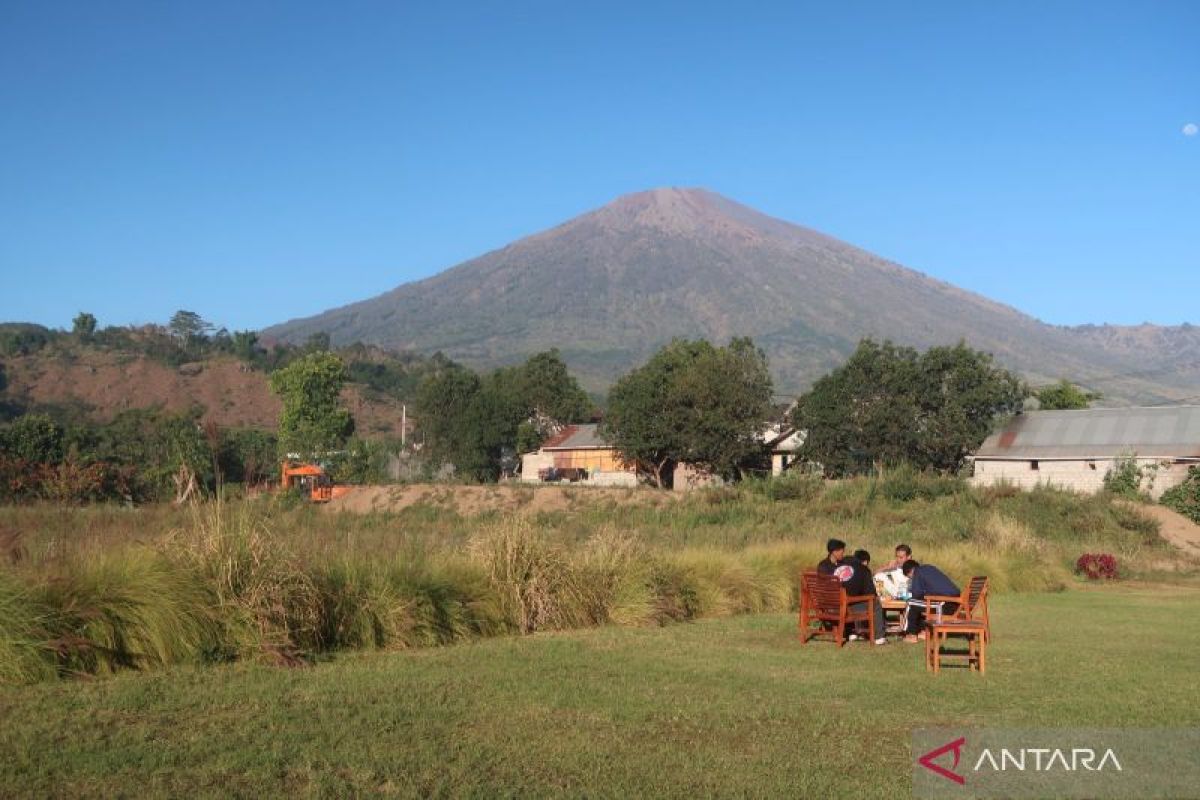
Jakarta (ANTARA) – Mount Rinjani is known not only for its natural beauty but also for the various mystical stories that have taken root among the people of Lombok Island, West Nusa Tenggara (NTB). At around 3,726 metres above sea level, the mountain is home to legends and beliefs passed down through generations.
One of the best-known stories concerns Dewi Anjani, who is believed to rule Mount Rinjani’s supernatural realm. There are also various taboos said to be observed by climbers, ranging from a ban on saying people’s real names to beliefs about hikers who go missing.
These stories form part of the cultural heritage of the Sasak people. Here are 10 Mount Rinjani myths worth knowing.
1. Dewi Anjani, ruler of Mount Rinjani
The most popular myth is that Dewi Anjani is a queen of spirits and the ruler of Mount Rinjani.
In Sasak legend, Dewi Anjani is a powerful woman with extraordinary abilities who is revered by spirits. She is believed to protect the mountain and to have close ties to the lives of Lombok’s people.
Some people even perform rituals to ask permission before climbing, as a form of respect for her.
2. The supernatural palace at Segara Muncar
In local stories, the Segara Muncar area is believed to be the site of Dewi Anjani’s supernatural palace.
According to legend, the palace can only be seen by certain people at certain times. This belief has helped make Segara Muncar well known among climbers for its mystical stories.
3. Missing hikers entering the supernatural realm
Cases of hikers becoming lost or going missing on Mount Rinjani have also given rise to various mystical tales.
Some people believe that hikers who are never found have entered the supernatural realm or become lost in the spirit kingdom ruled by Dewi Anjani.
Even so, missing-hiker incidents should be understood as safety issues that may be related to terrain, weather and human factors.
4. Lake Segara Anak as a sacred place
Lake Segara Anak is one of Mount Rinjani’s tourism icons and holds spiritual significance for local communities.
In local belief, the lake is sacred and connected with the forces of nature. Hindus also hold the Mulang Pekelem ritual in the area as an offering to the gods.
Because it is considered sacred, visitors are expected to behave respectfully and avoid damaging the surrounding environment.
5. The lake’s apparent size as a sign of lifespan
One myth says that the portion of Lake Segara Anak visible to climbers is linked to a person’s lifespan.
If the lake appears broad, this is believed to signal a long life. Conversely, if it looks narrow, some take it as a sign that a person’s life may soon come to an end.
This is a story passed down through generations and has no scientific basis.
6. The taboo against complaining or speaking negatively
Climbers on Mount Rinjani are also familiar with the taboo against complaining or saying negative things during the journey.
Some people believe that negative words and thoughts can invite misfortune or disturbances from unseen beings.
Whatever the myth, maintaining a positive mindset can help climbers stay motivated when faced with a tiring route.
7. The ban on saying people’s real names
One of the better-known taboos on Mount Rinjani is the prohibition against saying or calling climbing companions by their real names.
According to local belief, directly saying someone’s name, particularly in certain areas, may summon a supernatural being that resembles that person. Climbers are therefore advised to use sound signals or special nicknames when communicating with members of their group.
This taboo is part of a mystical tradition passed down through generations. Whether or not the belief is true, maintaining communication and staying together as a group are important ways to reduce the risk of getting lost during a climb.
8. The existence of the Bunian people
The Bunian people are believed to be a group of supernatural beings living alongside humans on Mount Rinjani.
In local stories, they lead lives much like ordinary people, complete with homes and their own surroundings. Some believe these beings can take humans into their realm.
The tale adds to the mystical stories associated with the Rinjani area.
9. The spiritual significance of Kokok Putek water
Kokok Putek is one of the locations associated with mystical stories about Mount Rinjani.
Some people believe that its water has special properties and is connected with purification rituals. The site is also considered spiritually significant, so visitors are expected to behave respectfully in the area.
10. Goa Susu as a place of purification
Goa Susu is another location on Mount Rinjani associated with spiritual stories.
The cave is believed to have special energy and is often linked to meditation or self-purification. Some people visit to perform rituals in the hope of finding inner peace and receiving blessings.
These beliefs have made Goa Susu a point of interest for people drawn to Mount Rinjani’s spiritual side.
The many myths surrounding Mount Rinjani reflect the close relationship between nature, tradition and the beliefs of the Sasak people. Although not all can be scientifically proven, the stories form part of a cultural heritage worth learning about.
For climbers, learning about local myths and taboos can be a way of showing respect for the community. However, safety must remain the priority: follow the rules set by the park authorities, pay attention to weather conditions and consult official information before setting out.
Source: jawawa.id (https://jawawa.id/newsitem/10-myths-of-mount-rinjani-from-dewi-anjani-to-the-ban-on-saying-names-1794109919)
Originally published by Antara (Indonesian) (https://www.antaranews.com/berita/5839403/10-mitos-gunung-rinjani-dari-dewi-anjani-hingga-larangan-sebut-nama), translated from Indonesian