
10 Million Tonnes of Biomass to Be Absorbed by 2030 for Energy Security
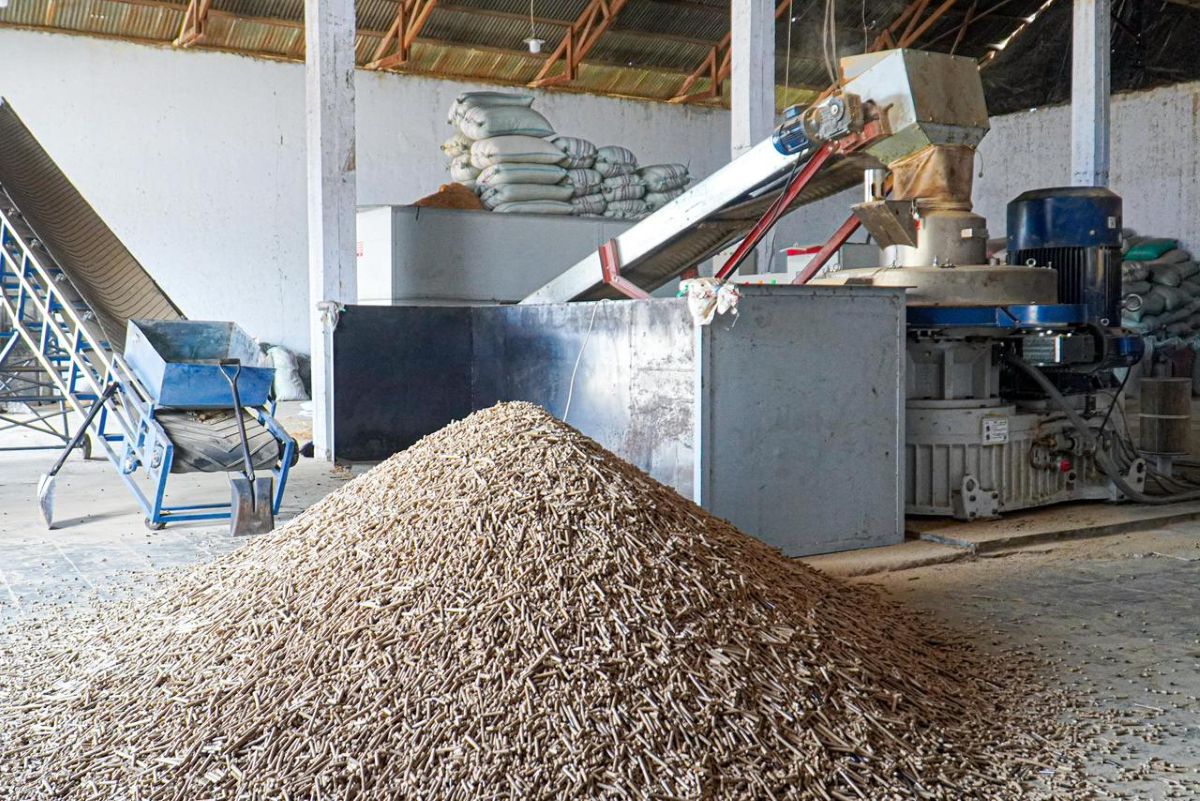
PT PLN Energi Primer Indonesia (PLN EPI) has set an ambitious target in the national energy transition roadmap. The PLN subsidiary is targeting the absorption of up to 10 million tonnes of biomass by 2030. This strategic move aims to strengthen bioenergy as a main pillar of national energy security while accelerating the achievement of the Net Zero Emissions (NZE) target by 2060.
PLN EPI’s Director of Biomass, Hokkop Situngkir, revealed that this target represents a significant leap from the medium-term goal of 3.65 million tonnes in 2026. He made the statement during a hearing with the National Energy Council (DEN) in Jakarta on Friday (19/6).
“We are targeting the absorption of 10 million tonnes of biomass by 2030. This achievement is estimated to generate an economic value of nearly Rp4 trillion and reduce emissions by up to 11 million tonnes of carbon equivalent,” said Hokkop.
Hokkop explained that Indonesia possesses very abundant biomass potential, particularly from agricultural waste which reaches 80 million tonnes per year. However, current utilisation has only reached 20 million tonnes, with the majority allocated for export and foreign industrial needs.
PLN EPI data shows that in 2025, biomass absorption for domestic power plants will only reach 2.35 million tonnes. Meanwhile, biomass export volumes have already reached 8.5 million tonnes. “This gap shows that the national bioenergy potential is still very large and can be optimised for domestic interests,” he added.
DEN member Johni Jonathan Numberi fully supports this initiative. According to him, based on Government Regulation Number 40 of 2025, new and renewable energy has been designated as the backbone of the future energy system. Biomass, together with solar energy and natural gas, will be key instruments.
“Our coal-fired power plants generally have long economic lifespans. Therefore, biomass co-firing is a crucial step to reduce emissions without disrupting the reliability of the national electricity supply,” Johni explained.
In addition to solid biomass, PLN EPI is accelerating the development of Compressed Biomethane Gas (CBG) utilising palm oil mill effluent (POME). With nearly 3,000 palm oil mills in Indonesia producing 130 million metric tonnes of POME per year, this potential is considered highly promising.
Trials of CBG utilisation have been conducted at a power plant owned by PT Nusantara Power with positive results. PLN EPI hopes CBG can replace approximately 10 per cent of the energy needs in gas-fired power plants, gas engine power plants, and combined cycle power plants, similar to the biomass substitution target for coal-fired power plants.
Not stopping there, PLN EPI’s long-term strategy also includes the development of biohydrogen to meet the growing global clean market demand.
The development of this bioenergy ecosystem is predicted to have a massive socio-economic impact on local communities. Based on PLN EPI’s calculations, every utilisation of 100,000 tonnes of biomass per year can empower communities. By 2030, this programme is projected to create around 150,000 green jobs, provide additional state revenue of Rp670 billion, and generate total economic income of approximately Rp5.1 trillion.
To address the challenge of price certainty and strengthen the industrial ecosystem, PLN EPI is proposing the establishment of an Indonesian Bioenergy Index (IBI). This index is expected to serve as a national price reference to stabilise the market and increase investor confidence in developing the bioenergy industry in the country.