
10 mg Tar Limit Could Threaten National Kretek Cigarette Industry
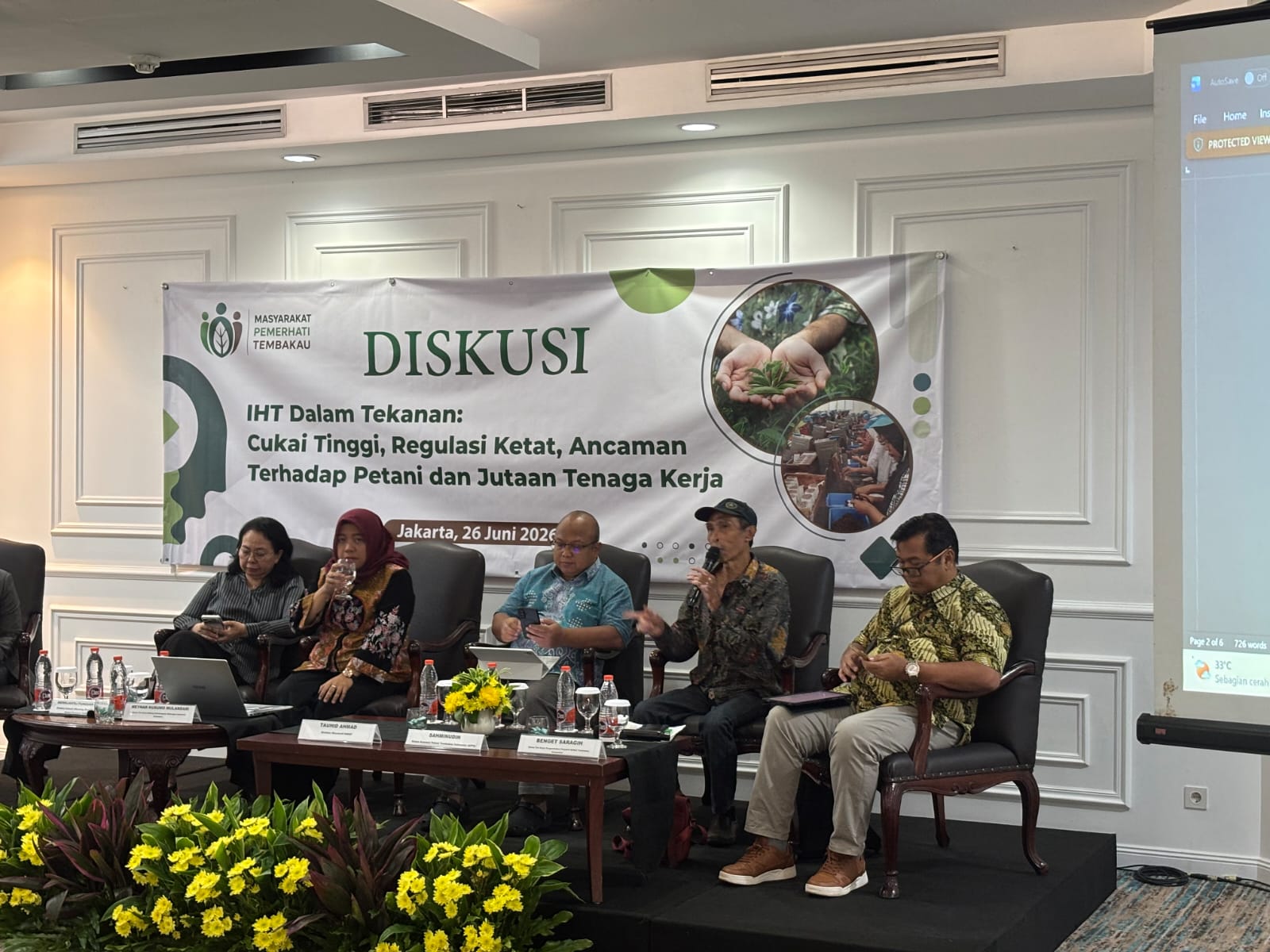
The Ministry of Industry has warned that a proposed limit on cigarette tar content to a maximum of 10 milligrams, as mandated by Government Regulation Number 28 of 2024, could significantly impact the sustainability of the national kretek cigarette industry, which currently dominates the domestic market. Director of Beverage, Tobacco Products, and Refreshing Materials at the Ministry, Merijanti Punguan Pintaria, stated that the characteristics of cigarettes in Indonesia differ from those in many other countries because the majority are kretek cigarettes. “Why is the tar content in Indonesian cigarettes high? Because our product is kretek. Indonesia is the only country that produces kretek cigarettes. Our market share consists of 3% white cigarettes and 97% kretek cigarettes,” Merijanti said at a discussion event in Jakarta on Friday (26/6).
She noted that the current Indonesian National Standard (SNI) still sets a tar content limit of up to 55 milligrams. Meanwhile, laboratory test results show the average tar content of kretek products is around 35 milligrams. Therefore, if a maximum limit of 10 milligrams is applied as recommended in PP 28/2024, most kretek products would no longer meet the requirements for sale. “If the tar content is capped at a maximum of 10 mg, whereas the current SNI regulation limits it to 55 mg and our average lab test results are around 35 mg, then this 10 mg maximum recommendation will have a huge impact,” she stressed.
Merijanti assessed that this policy could disrupt the national tobacco products industry because almost the entire cigarette market share in Indonesia consists of kretek cigarettes. “This means that almost the entire kretek cigarette industry, which controls 97% of the market, is at risk of closing because it cannot operate,” she said. Beyond the impact on the industry, the Ministry also highlighted the substantial economic contribution of the tobacco products sector to the national economy, which is estimated to reach nearly Rp700 trillion. “Are we ready for the consequences? If calculated, the economic value of this sector is almost Rp700 trillion. Do we no longer need that economic value? This is a question for all of us,” she concluded.