
10 Fatal Mistakes to Avoid When Charging Your Devices
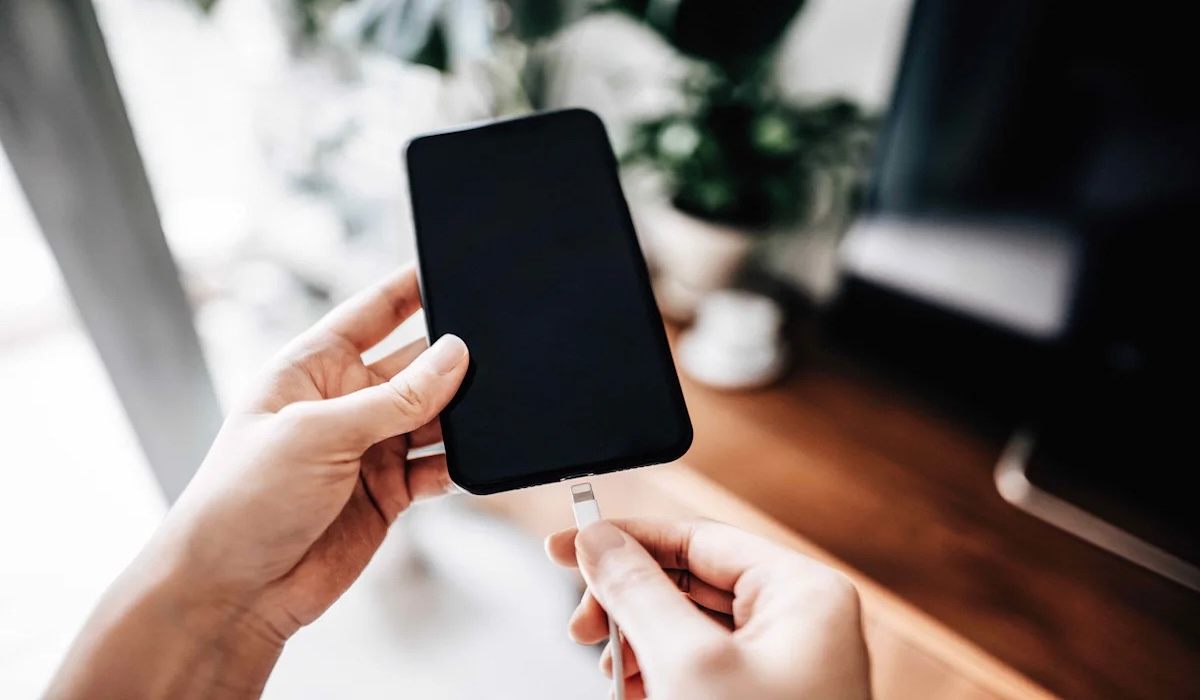
Charging electronic devices such as smartphones or laptops has become a daily routine that seems trivial. But do you know that a small misstep when plugging in a charging cable can have fatal consequences? From shortening battery life to the risk of house fires, charging safety should not be neglected.
Electrical experts warn that many users still make common mistakes that endanger them. Here is a strategic guide to 10 things not to do when charging devices, based on industry expert recommendations.
Never compromise on a cable whose insulation has peeled off. Nick Barber of Prepaid Electricity asserts that exposed wires can cause arcing. This increases risk of electric shock, overheating, and serious electrical fires.
Although modern devices have automatic shut-off features when the battery is full, leaving them plugged in overnight is still not recommended. Continuous heat and energy exposure gradually degrade battery cell performance and shorten its lifespan.
Using one electrical outlet for too many devices at once is very dangerous. Daniel Mock of Mister Sparky warns that overloading can cause the wiring inside walls to overheat and trigger fires. Use several different outlet points to distribute the load.
Extension cords are designed for temporary use, not permanent. Using them daily for high-power devices such as laptops increases the risk of overheating. It is advised to plug the charger directly into the main wall outlet.
Avoid using cheap third-party chargers that lack safety certification. Counterfeit devices often lack surge protection and stable voltage regulation, which can damage internal components of your phone.
Note from Experts: Always prioritise using original accessories or verified third-party brands (MFi for Apple or USB-IF standards) to guarantee voltage stability — so the Rupiah you invest in your devices is not wasted due to hardware damage.
If the device or charger head feels very hot to the touch, unplug immediately. Excessive heat indicates a voltage mismatch or damage to the charging circuitry.
This is the most dangerous habit. Soft surfaces such as beds, cushions, or sofas will trap the heat produced during charging. Without adequate airflow, battery temperatures can rise dramatically and trigger explosions or fires.
Playing heavy games or doing video editing while charging will create a double load on the battery. Joel Worthington of Mr. Electric explains that this causes overheating that accelerates battery degradation.
Do not leave a phone charging in a car parked under the sun. The combination of cabin heat and charging heat is an instant recipe to damage the lithium-ion battery’s chemical structure.
Bathrooms or areas near sinks are forbidden places to charge. Water is an excellent conductor; splashes on a device connected to electricity can cause fatal short circuits or electric shocks.
By avoiding these ten mistakes, you not only extend the life of your electronic devices but also protect yourself and your living environment from the risk of unwanted electrical accidents. (Yahoo Tech/Z-10)
Not long ago the European Union enacted regulations prohibiting portable electronic devices from using charging ports other than USB-C.