
10 Diseases Triggered by Air Pollution, from Asthma to Stroke
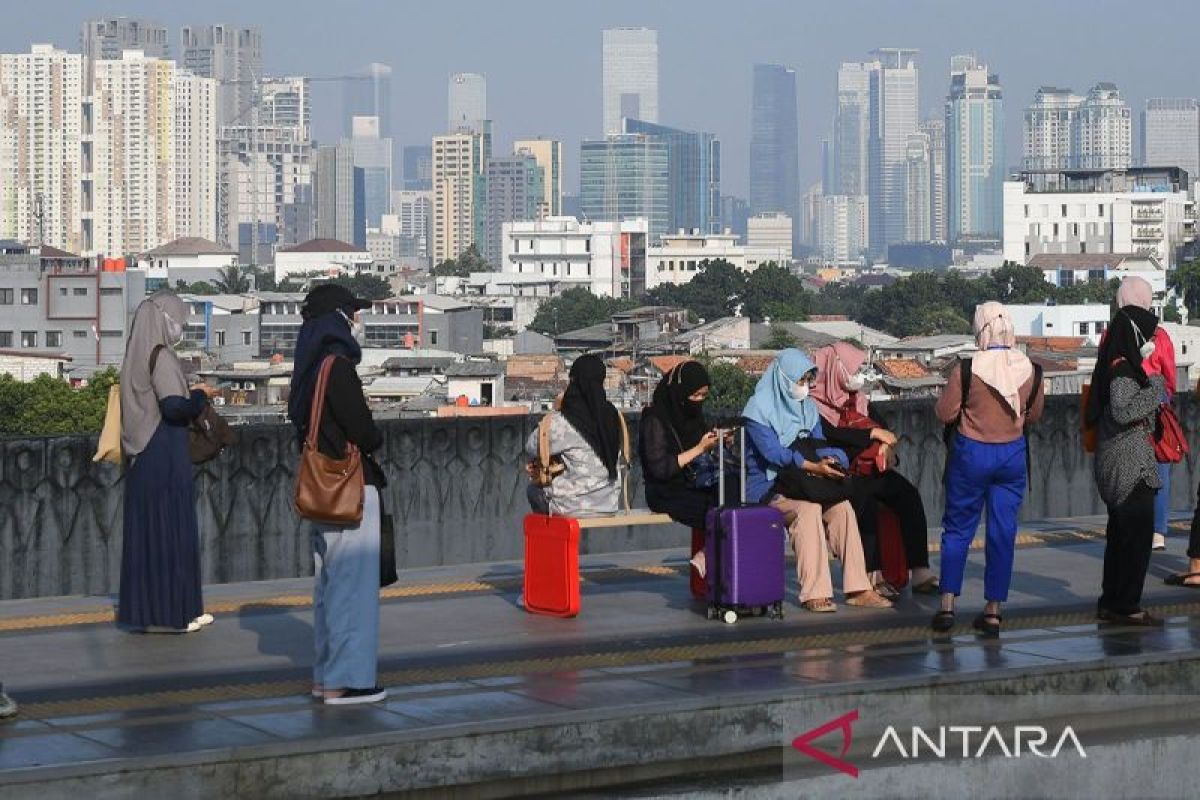
Jakarta (ANTARA) - Air pollution has become an increasingly alarming public health issue, especially in large cities such as Jakarta and its surrounding areas. Exposure to polluted air does not only impact the respiratory system but can also affect various body organs, from the heart, skin, and digestive system to the brain.
Professor Dr. R. Budi Haryanto, S.K.M., M.Kes., M.Sc., a senior lecturer at the University of Indonesia’s Faculty of Public Health, stated that the majority of diseases are related to air pollution exposure. “Air pollution-related diseases account for about 60 per cent of all diseases,” he said in Jakarta on Tuesday at an International Council on Clean Transportation (ICCT) event. He added that diseases related to sanitation and drinking water quality are far fewer. “Those related to sanitation, drinking water quality, and everything that enters the digestive tract, diarrhoea and so on, that is only 15 per cent,” he added.
According to Prof. Budi, the impact of air pollution generally arises from continuous, long-term exposure. Various pollutants such as sulphur oxides (SOx) and nitrogen oxides (NOx) inhaled through the respiratory tract can spread to different body organs. “Air pollution contains various kinds of pollutants. It depends on where we are,” he said. “We take all of that into our bodies through breathing, without being able to choose, without stopping,” he added.
Data from the World Health Organisation (WHO) also shows that around 92 per cent of the world’s population still breathes poor quality air. This condition is estimated to cause around 7 million deaths each year, including approximately 2 million deaths in the Southeast Asian region due to both outdoor and indoor air pollution.
- Asthma
Air pollution, particularly from motor vehicle emissions, can trigger and worsen asthma symptoms. Sufferers typically experience shortness of breath, chest pain, coughing, and wheezing. Although asthma cannot be completely cured, its symptoms can be controlled through proper medication and by reducing exposure to polluted air.
- Respiratory Tract Infections (ISPA)
Acute respiratory infections (ISPA) are not always caused by viruses or bacteria. Exposure to air pollution can also increase the risk of developing this disease. Various harmful substances such as carbon monoxide, particulate matter, nitrogen dioxide, and sulphur dioxide can irritate the respiratory tract, making it more susceptible to infection.
- Sleep Apnoea
Air pollution is also linked to an increased risk of sleep apnoea, a sleep disorder that causes a person to temporarily stop breathing during sleep. Several studies indicate that pollution can trigger inflammation in the airways, leading to abnormal breathing patterns, frequent night-time awakenings, waking up with a feeling of tightness, and daytime drowsiness.
- Chronic Obstructive Pulmonary Disease (COPD)
Long-term exposure to air pollution can worsen Chronic Obstructive Pulmonary Disease (COPD). This disease is characterised by chronic coughing, shortness of breath, and wheezing, which become more severe if the sufferer continues to be exposed to pollution or cigarette smoke.
- Reproductive Health Disorders
A number of studies have found that poor air quality can affect reproductive health. Exposure to air pollution is associated with an increased risk of fertility problems, miscarriage, and a decline in sperm quality in men living in areas with high pollution levels.
- Lung Cancer
Air pollution contains various harmful substances, including carbon monoxide and other carcinogenic compounds. Long-term exposure can increase the risk of lung cancer, especially in people frequently exposed to vehicle emissions, industrial smoke, and other pollutants.
- Heart Disease and Stroke
Air pollution does not only attack the lungs but also impacts the cardiovascular system. Exposure to pollutants can cause blood vessels to become stiffer and narrower, increasing the risk of heart disease and stroke, particularly when combined with an unhealthy lifestyle.
- Bronchitis
Bronchitis is an inflammation of the airways leading to the lungs that can be triggered by air pollution. Symptoms include a productive cough, shortness of breath, fever, runny nose, and fatigue. Besides pollution, bronchitis can also be caused by viral or bacterial infections.
- Digestive Disorders
Air pollution exposure apparently does not only affect the respiratory system. Several studies indicate that people living in areas with high pollution levels have a greater risk of experiencing digestive disorders such as Crohn’s disease, ulcerative colitis, and irritable bowel syndrome (IBS). Symptoms can include diarrhoea, nausea, vomiting, and abdominal cramps.
- Skin Diseases
The skin is also an organ vulnerable to the effects of air pollution. Pollutant particles can stick to the skin surface, clog pores, and trigger inflammation. As a result, the risk of acne, eczema, atopic dermatitis, psoriasis, and hyperpigmentation becomes higher.
Ways to Reduce the Risk of Air Pollution Impact
Although it is not always possible to avoid exposure to air pollution, several steps can be taken to reduce the risks. These include wearing a mask when air quality is poor, limiting outdoor activities when pollution levels are high, using an air purifier indoors if possible, and maintaining a healthy lifestyle by exercising regularly, eating nutritious food, and not smoking. Additionally, the public is advised to monitor the Air Quality Index (AQI) before going outside. By knowing the air quality conditions, a person can take appropriate preventive measures to protect their own health and that of their family.