
10 Common Mistakes to Avoid When Pawning Your Belongings
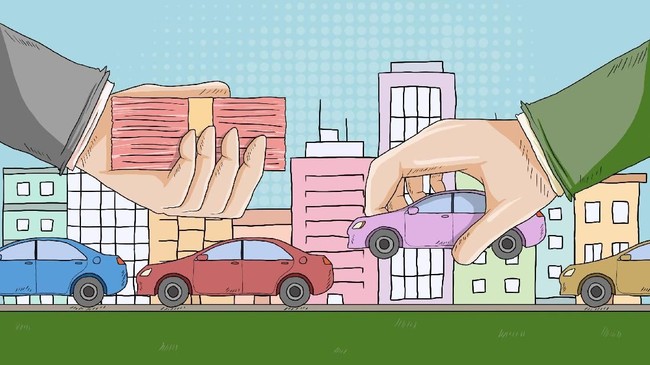
Jakarta, CNBC Indonesia — Pawning belongings can be a solution when you need cash without selling your assets. However, many people focus so much on how much money they can obtain that they forget to calculate the costs, assess whether they can redeem their items and consider the risk of losing the collateral.
Gold that has been stored for a long time, an unused mobile phone or a spare laptop can provide funds quickly. The problem is that the loan value may not meet expectations, while the repayment obligation must still be met under the agreement.
To prevent the transaction from creating new problems, here are some mistakes to avoid before pawning an item.
1. Not comparing valuations
A common mistake is to accept the first offer from the first pawnbroker visited. The appraised value of an item can vary between providers.
For gold, for example, valuers usually consider its weight, purity and the gold price. Mobile phones and laptops, meanwhile, are assessed according to their model, condition, accessories and market value.
The original purchase price is not automatically a guide to the loan amount. A laptop bought for Rp10 million, for instance, may not secure a loan close to that price when pawned.
Compare valuations from several licensed pawnbrokers. Also ask how much money you will actually receive after applicable charges have been deducted. This ensures that your decision is not based solely on the initial offer.
2. Ignoring fees and the total repayment amount
Getting a loan quickly does not necessarily mean it is inexpensive. Problems arise when someone focuses only on the amount received without calculating the full sum due to redeem the item.
Check the interest or capital lease charge, administration fees and any other charges listed in the product terms. The amounts and methods of calculation can vary between providers.
For example, someone receives a Rp2 million loan and must repay Rp2.2 million in total. That means they need to find an additional Rp200,000 beyond the loan amount. This is only an illustration, not a generally applicable rate.
Ask for a written repayment estimate before agreeing to the transaction. Make sure the loan amount, charges, due date and final payment are clearly stated.
3. Pawning an item without setting aside the money to redeem it
Money from a pawn loan may meet an urgent need, but that does not mean the financial problem is automatically solved. After receiving the funds, the customer still needs to set aside money to redeem the item.
For example, someone might pawn jewellery to cover household expenses and plan to redeem it with the following month’s salary. But much of that salary may end up going towards other bills.
When the due date arrives, the money needed for repayment is unavailable. If the obligation is not settled under the agreement, the customer risks losing the collateral through the applicable resolution process.
Identify the source of repayment funds before pawning an item. Calculate what you can afford based on realistic income, not a bonus or other uncertain earnings. If you do not have a viable repayment plan, consider alternative sources of finance.
4. Forgetting the due date
The pawn period is often overlooked because customers are more focused on arranging the loan disbursement. However, missing the due date can have consequences under the agreement.
Customers should not assume that all pawnbrokers offer the same grace period or extension terms.
Record the due date in your phone calendar and set a reminder for several days beforehand. If you do not have enough money to redeem the item, contact the pawnbroker early to ask about the options available, including any extension and additional charges.
5. Signing an agreement without reading it
Rushing to get cash can lead people to overlook important parts of the agreement. The document explains the customer’s rights and obligations, charges, loan period and the process for resolving matters if the obligations are not met.
The agreement is also important if a dispute later arises over the loan amount, payments or the status of the collateral.
Read the pawn receipt before signing or approving an electronic transaction. Check that the item’s details, loan amount, charges and repayment terms match what the staff have explained. Keep the transaction documents until the item has been redeemed.
6. Not checking the item’s condition before handing it over
The item’s condition should be checked and recorded, particularly when pawning a mobile phone, laptop, camera or other electronic device.
Scratches, functional defects and included accessories can affect its valuation. Without a record of its original condition, the owner may also find it difficult to explain any discrepancies when the item is returned.
Protecting personal data is just as important for electronic devices. Phones and laptops may contain banking information, work documents, photographs and personal accounts.
Inspect the item with a member of staff and document important details before handing it over. Check the serial number or other identifying details where relevant, and make sure the receipt contains adequate information about the item.
For electronic devices, back up your data and secure sensitive information. Ask the pawnbroker about its procedures for handling devices before handing one over.
7. Pawning an item needed for work
An item with a high resale value is not necessarily suitable as collateral. A laptop used for work, for example, can help generate income. If it is pawned and unavailable during the loan period, the owner’s work could be disrupted.
The same risk applies to a phone used for online sales or a camera used by a professional photographer.
Consider what the item is used for, not just its appraised value. Calculate the potential loss if it is unavailable for a period of time. If the asset is a source of income, finding another source of finance may make more sense than pawning it.
8. Ignoring the pawnbroker’s licensing status
A promise of quick cash should not be the only reason for choosing a pawnbroker. Transactions with businesses whose legal status is unclear can increase the risk of problems involving charges, the handling of items and dispute resolution.
The Financial Services Authority (OJK) regulates the pawnbroking industry under Regulation No. 39 of 2024, which was subsequently amended by Regulation No. 29 of 2025. The OJK also advises the public to use licensed pawnbroking companies.
Check a pawnbroker’s licence through the OJK’s official channels before proceeding. Do not hesitate to ask for the company’s identifying details, a breakdown of charges, its office address and its complaints procedure. Make sure you also receive transaction documents that can serve as evidence.
Conclusion
Pawning an item does not have to be a damaging decision. Problems usually arise when customers focus only on obtaining funds, without calculating the costs or assessing their ability to redeem the item.
Check the valuation, understand the agreement and make sure the money for repayment will be available. Also avoid pawning assets that are essential for work without considering the potential effect on your income.
A pawn loan can help meet an urgent need. But the right decision is one that does not create a bigger financial problem when the time comes to redeem the item.