
1,124 Migrants Transported Home for Eid: Mandatory Health Checks Required for Drivers
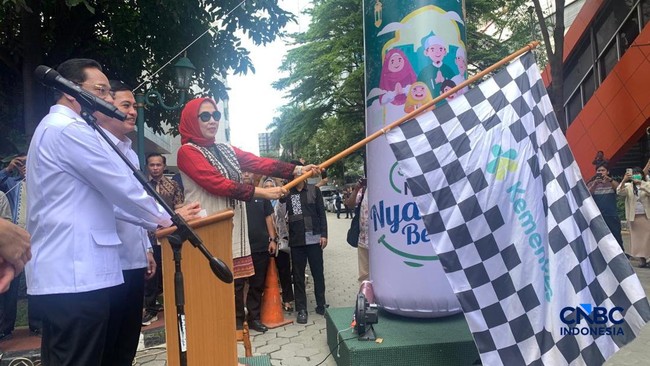
Jakarta, CNBC Indonesia – A total of 1,124 people were dispatched for their homecoming journey using 26 buses to various cities in Java and Sumatra ahead of this year’s Eid celebrations. The migrants comprised employees and families departing together in a group migration programme.
The Secretary General of the Ministry of Health, Kunta Wibawa Dasa Nugraha, stated that the convoy was headed to several cities including Padang, Bukittinggi, Palembang, Malang, Surabaya, Semarang, Solo, Yogyakarta, Purworejo, and Medan, which was the furthest destination.
Beyond providing transportation, the Ministry of Health also ensured safety aspects throughout the journey. All bus drivers were required to undergo health screenings before departure.
The examinations included checks on blood pressure, blood sugar, and screening for alcohol and narcotics consumption to ensure drivers were genuinely fit before transporting the migrants.
“We test drivers’ health from the beginning, including whether they consume narcotics or alcohol and their overall health condition,” Kunta told reporters after sending off the migrants at the Ministry of Health on Friday (13 June 2026).
In addition to driver health examinations, migrants were also reminded to maintain their physical condition during the journey, particularly during the long drive ahead of Eid.
Deputy Health Minister Dante Saksono Harbuwono emphasised the importance of regular rest breaks for drivers to maintain road safety.
“For drivers, do stretching exercises and take rest every four hours because safety is everything,” said Dante.
He also urged migrants to maintain proper food and fluid intake during the journey to keep their bodies in good condition until arrival at their home villages.
The migration programme was participated in by employees within the Ministry of Health and their families, including civil service apparatus (ASN) and contract workers employed at the central office and technical implementation units in the Jabodetabek region. The bus fleet used came from various sources, including support from several banks that assisted in providing vehicles for the migrants.