
Q1 2026 Economic Growth Supported by Household Consumption
Indonesia’s economy grew by 5.61% year-on-year in the first quarter of 2026, according to the Central Statistics Agency (BPS). Quarter-on-quarter, the economy contracted by 0.77% compared to the fourth quarter of 2025.
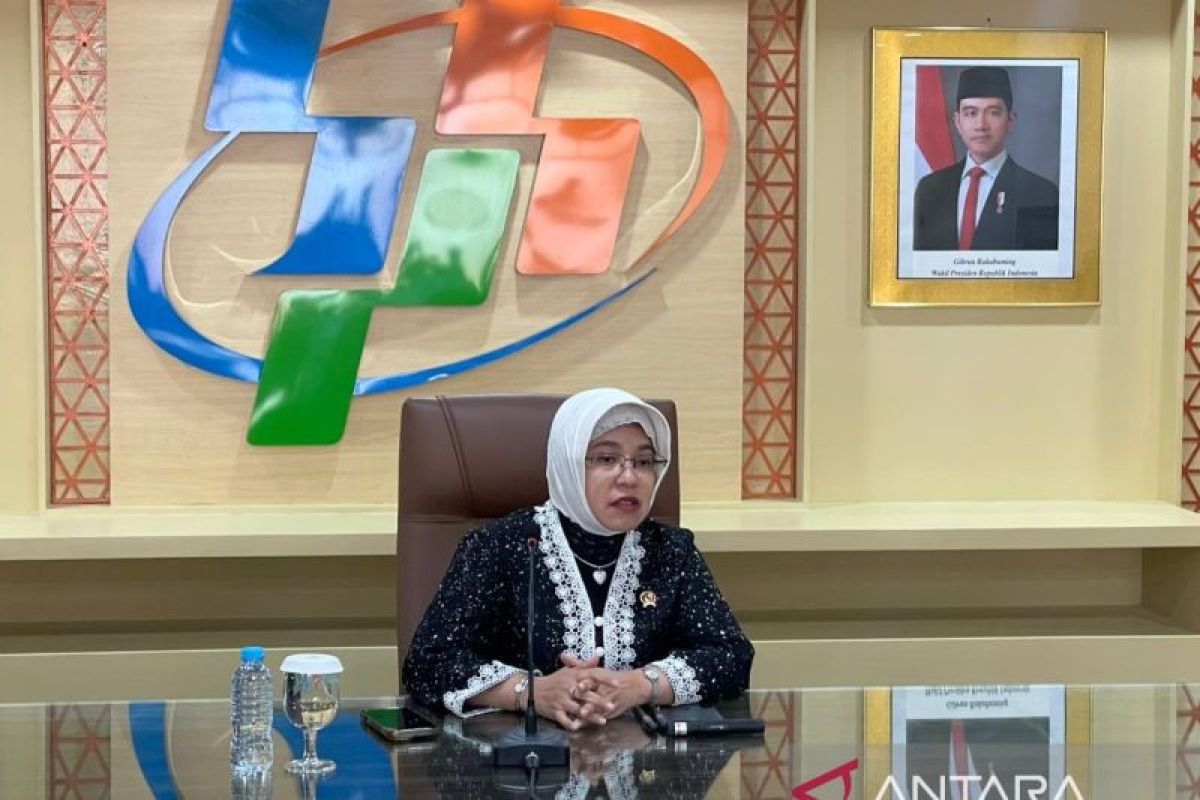
At a press conference in Jakarta on Tuesday, BPS Chief Amalia Adininggar Widyasanti explained that, from the expenditure side, household consumption remained the main driver of economic growth, contributing 2.94%.
“Indonesia’s economic growth in the first quarter of 2026 was also supported by the gross fixed capital formation (PMTB) component with growth of 1.79%, while government consumption provided a growth source of 1.26%,” she stated.
Additionally, various inflation control policies and government stimuli helped boost consumption, including transport ticket discounts, the provision of holiday allowances (THR) or 14th-month salaries, and the setting of the BI rate at 4.75%.
Based on BPS data, the highest household consumption growth occurred in the restaurant and hotel expenditure group, which grew by 7.38%, in line with increased tourism activities during the holiday period.
Besides household consumption, other components driving economic growth in the first quarter of 2026 from the expenditure side included gross fixed capital formation (PMTB), which grew solidly by 5.96%. This figure was driven by government investment, including construction related to national priorities, and private investment.
Furthermore, from the business field side, BPS recorded five sectors that provided the largest contribution to the gross domestic product (GDP) in the first quarter of 2026, namely manufacturing (19.07%), trade (13.28%), agriculture (12.67%), construction (9.81%), and mining (8.69%).
Several sectors also recorded high growth, such as accommodation and food and beverage services, which grew by 13.14%, driven by the expansion of the MBG programme coverage and national holiday moments.
The other services sector grew by 9.91% in line with the increase in domestic tourist travel and visits by foreign tourists.
The manufacturing sector grew by 5.04% (year-on-year) in the first quarter of 2026. The performance of this sector was driven by the food and beverage industry, the basic metal goods industry, computers, electronics, optics and electrical equipment, as well as the chemical, pharmaceutical, and traditional medicine industry.
“Growth in the manufacturing sector was mainly supported by increased demand, both domestic and foreign,” said Amalia.
The wholesale and retail trade sector, motor vehicle and motorcycle repair grew by 6.26% (year-on-year), driven by increased domestic production and imports.
Meanwhile, the construction sector grew by 5.49% (year-on-year), driven by increased construction activities by both government and private sectors.
The agriculture sector grew by 4.97% (year-on-year) in the same period.
Regionally, in the first quarter of 2026, Java, Bali and Nusa Tenggara, as well as Sulawesi recorded growth above the national average.