
Indonesia Enters Ageing Population Phase, Yogyakarta Highest!
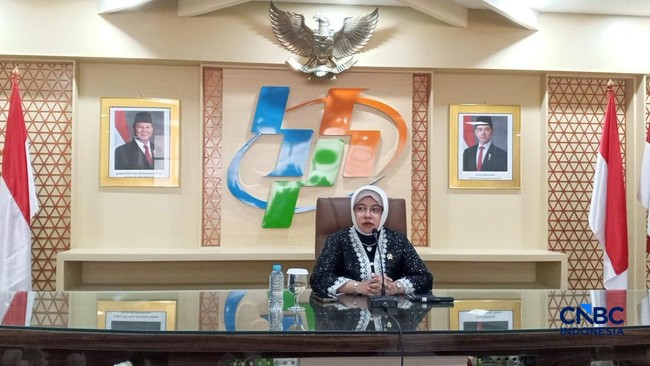
Indonesia is currently in the ageing population phase, with the percentage of elderly population reaching 11.97%. This data was revealed in the 2025 Inter-Census Population Survey (SUPAS) presented by BPS today, Tuesday (5/5/2026). The SUPAS 2025 results further confirm the ageing of the population in Indonesia.
“Indonesia has entered the ageing population phase, indicated by the proportion of the population aged 60 and above reaching more than 10,” said BPS Chief Amalia Adininggar Widyasanti on Tuesday (5/5/2026).
The percentage of the elderly population continues to increase from 7.59% in 2010, to 8.47% in 2015, and further increased in 2020 to 9.93%. In 2025, the elderly population percentage reached 11.97%, consisting of 12.61% elderly women and 11.34% elderly men.
Population ageing also brings important implications for the provision of social services, healthcare, and more responsive protection systems to the needs of the elderly.
“22 provinces have not yet entered the ageing population phase and 16 provinces have entered the ageing population phase,” said Amalia.
The dynamics of population ageing show considerable variation across regions. From BPS data, all provinces in Java have entered the ageing population phase. Meanwhile, Maluku and Papua have not yet reached the ageing population phase.
Based on SUPAS 2025, DI Yogyakarta has the highest percentage of elderly population, namely 17.83%, followed by East Java (15.45%), and Bali (15.07%). Conversely, the lowest elderly population percentages are found in Central Papua (6.71%), West Papua (6.77%), and South Papua (6.81%).
“Yogyakarta has the highest elderly at 17.83%. The lowest elderly population is in Central Papua at 6.71%,” she said.
SUPAS 2025 also provides an overview of the main sources of income or goods for the elderly population. Amalia stated that the majority of the elderly obtain money or goods from family (spouse, children/children-in-law, siblings/other family) with a proportion of 48.56%.
“The next main source of income or goods is from employment with a contribution of 37.72%. In addition, the elderly rely on pensions (8.82%), social security or social assistance (2.42%), and others (1.35%). Meanwhile, the contribution from savings and investments is recorded as the lowest, namely 1.13%,” she said.