
BRIN Targets Timor Island as National Research Centre
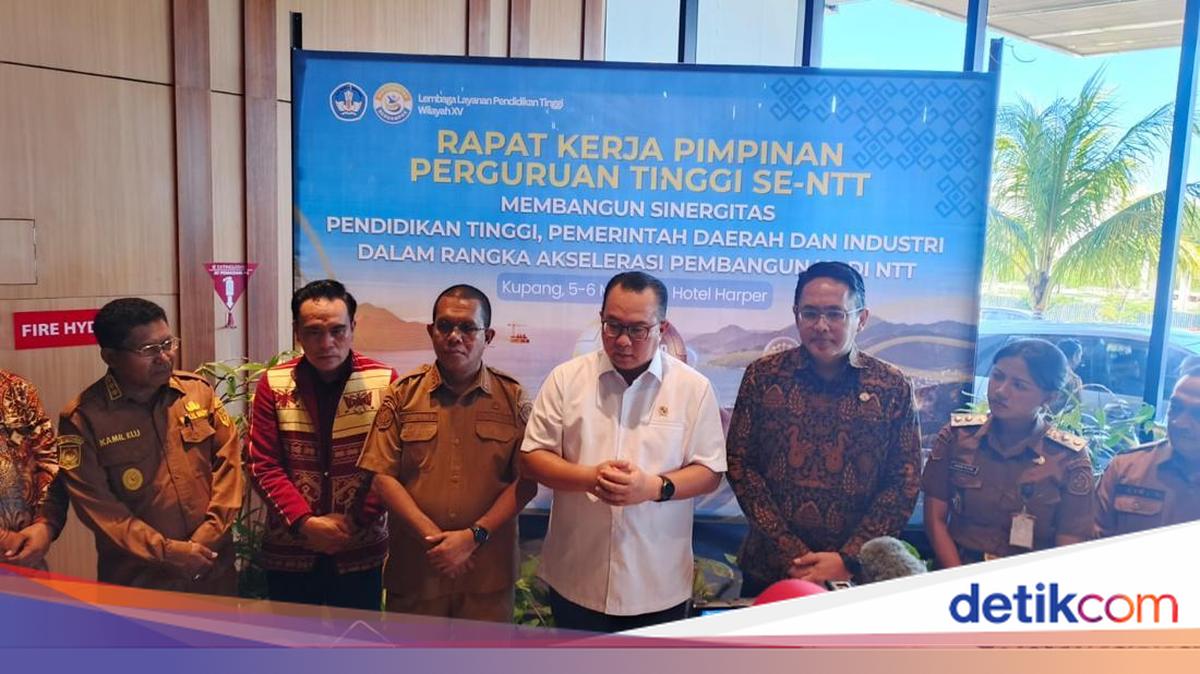
The National Research and Innovation Agency (BRIN) is targeting Timor Island as a national research observation centre, particularly for the development of energy and fuels in four districts. BRIN Chief Arif Satria stated that Indonesia’s economic future, especially in East Nusa Tenggara (NTT), will no longer rely on the exploitation of raw natural resources, but rather on the strength of innovation and education quality.
He also stressed that exceptional human resources (HR) are the main key to development. “The future economy depends on innovation and education. That is the bridge. BRIN is committed to utilising technology to identify NTT’s local potentials, which have been abundant, from salt and seaweed to cocoa,” said Arif at the Working Meeting of University Leaders across NTT at Hotel Harper, Kupang, on Tuesday (5/5/2026).
Arif affirmed that BRIN is committed to being the main driver in strengthening a globally competitive research ecosystem for Indonesia’s Golden Vision 2045.
Meanwhile, NTT Governor Emanuel Melkiades Laka Lena urged university leaders to produce concrete steps to awaken NTT’s potentials.
“I hope universities produce real steps. NTT must start sharpening its research direction. Let’s build Indonesia, let’s build NTT together,” emphasised Laka Lena.
He appreciated the collaboration with the Ministry of Higher Education, Science, and Technology (Kemendiktisaintek) as the institution that executes the most programmes in the field.
According to him, the transition towards a teaching university (lecturers focused on teaching) that encourages strong research, the provision of modern laboratories, and the improvement of researcher quality are non-negotiable for regional progress.
According to Laka Lena, collaboration between the centre and regions requires synchronisation for research downstreaming. “This working meeting is a momentum for synchronising central and regional policies. The presence of Deputy Regents and Regional Secretaries shows bureaucratic support for the academic world,” he said.
Laka Lena emphasised that the future focus is to ensure that laboratory research results are directly felt by the community and industries in NTT.
“With a strong research ecosystem and good governance, NTT is optimistic about transforming its economy from traditional-based to modern, innovative, and sustainable,” concluded the Golkar Party politician.