
Analyst: KRL Level Crossing Trespassers Face Criminal Sanctions
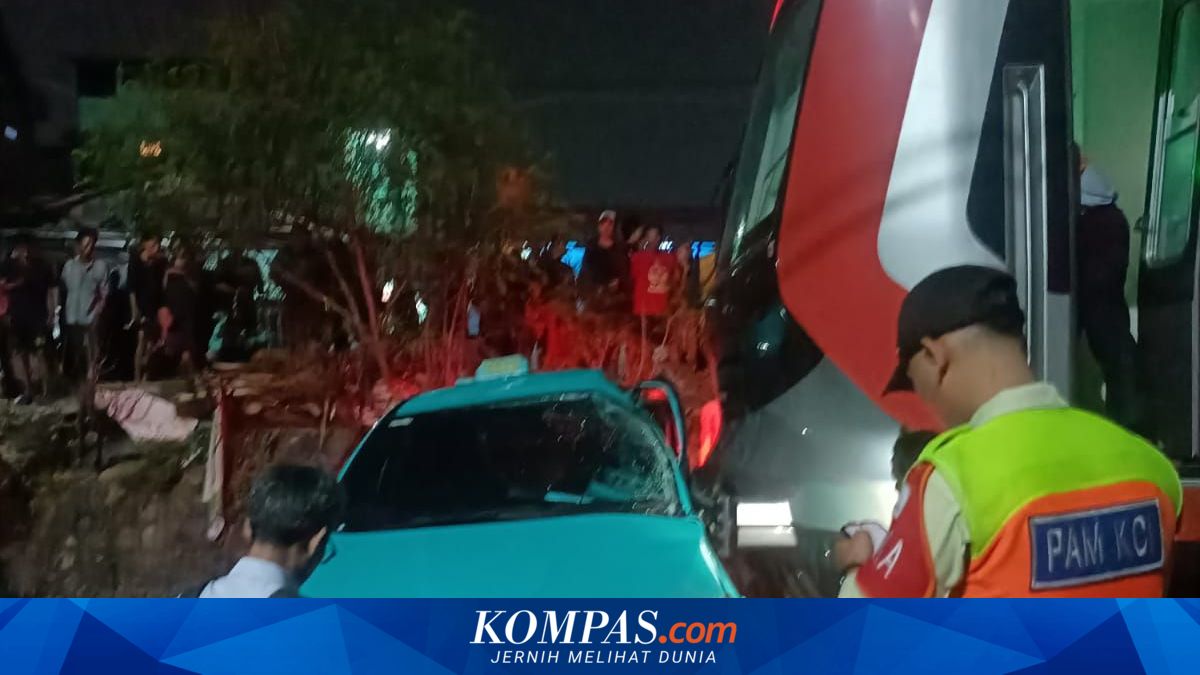
JAKARTA, KOMPAS.com - Safety issues at railway level crossings remain a serious unresolved challenge. Limited supervision and weak safety systems make these crossing points prone to accidents, particularly due to negligence by road users.
Indonesian railway expert Joni Martinus assesses that accidents at level crossings frequently recur with the same pattern, namely vehicles recklessly breaching barriers as trains approach.
“The problem at level crossings is a complex issue that so far remains a worrying spectre and has not been fully resolved, due to insufficient supervision and still weak safety systems in railway level crossing areas,” Joni stated during a live YouTube webinar on Monday evening (4/5/2026).
This refers to Law No. 22 of 2009 on Road Traffic and Transportation, particularly Article 114, which requires road users to stop and give priority to trains.
“Car drivers who breach railway crossing gates are considered negligent and in violation of traffic regulations,” he said.
“Trains have the primary right at level crossings. Due to this negligence, the primary responsibility for the accident lies with the car driver,” he continued.
He emphasised that such violations can result in criminal sanctions in the form of imprisonment or fines as per applicable provisions.
Unlike road users at crossings, the railway company’s responsibility towards passengers is clear and regulated under Law No. 23 of 2007 on Railways.
Under this regulation, KAI is obliged to guarantee passenger safety during the journey, from the departure station to arrival at the destination.
“This responsibility includes providing compensation for actual losses suffered by passengers due to accidents,” Joni said.
“This covers medical costs for injured passengers, compensation for families of deceased passengers, and replacement for loss or damage to passengers’ carried goods caused by train accidents,” he stressed.