
7 Frugal Habits That Wealthy People Still Practise
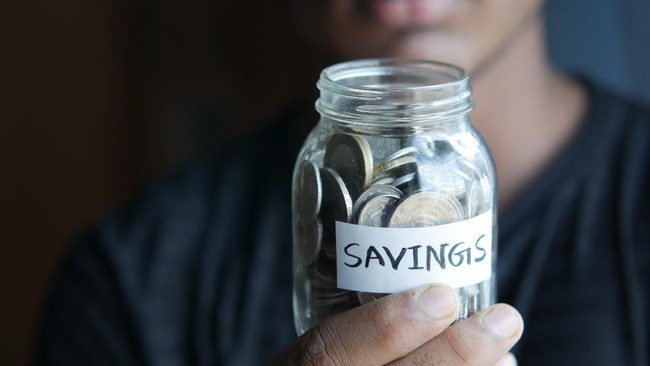
Jakarta, CNBC Indonesia — Becoming a millionaire does not necessarily mean living in luxury. Bernadette Joy, a 39-year-old woman who built her own wealth, has maintained several frugal habits even though her financial circumstances have changed dramatically.
In a CNBC Make It report published on 15 May 2024, Joy shared seven simple habits she still follows. Her financial journey was not always smooth. In 2016, she was burdened with about US$300,000 in debt, equivalent to around Rp5.4 billion at an assumed exchange rate of Rp18,000 to the US dollar. The debt came from various obligations, including mortgage repayments and student loans. This prompted Joy to study personal finance; she eventually paid off her debt in three years and became a millionaire in her 30s.
She now runs a financial coaching business called Crush Your Money Goals. Despite achieving financial freedom, Joy sees no need to abandon the frugal habits that helped transform her finances.
Here are the seven habits she continues to keep.
1. Choosing cheaper food ingredients
Joy is happy to choose more affordable ingredients, including cuts of meat that are not always consumers’ first choice. She says more economical ingredients can still make delicious meals without spending more.
The habit shows that frugality does not necessarily mean compromising on quality. Choosing products that meet one’s needs at an appropriate price can help reduce everyday spending.
2. Making use of hotel amenities
When travelling to attend events or speak, Joy makes use of amenities provided by hotels, such as toothbrushes, toothpaste, combs and hair ties.
These items can be used for personal needs or kept as supplies for a future trip. For her, making use of items that are still in good condition is a simple way to avoid purchases that are not really necessary.
3. Reusing food containers
Joy also saves restaurant food containers to reuse at home. They can be used to store leftovers or organise small items, meaning she does not always need to buy new storage containers.
The habit can also help reduce household waste, provided the containers are clean, safe and suitable for their intended use.
4. Using up personal care products
For Joy, controlling spending also means getting the most out of items she has already bought. She uses cleaning and personal care products until they are completely finished.
There is a personal story behind this habit. As a child, Joy had eczema and needed special medicines and lotions. The experience taught her to value products that help maintain her skin’s health.
She recognises that certain products are worth buying when they are genuinely needed. But products already purchased should also be used fully rather than thrown away before they are finished.
5. Checking prices before ordering food
Although she can afford more expensive food, Joy makes a point of checking menu prices before ordering at restaurants. She even has her own way of finding more affordable choices: she looks at the end of the menu first.
According to Joy, this simple habit allows her to enjoy her favourite food without losing sight of her budget.
6. Keeping reusable shopping bags
Joy’s frugal habits were also shaped by her family’s way of life when she was growing up. She remembers her mother keeping shopping bags to use again.
Joy has continued the practice as an adult, keeping sturdy, good-quality bags to carry food, small items or travel essentials. Reusing bags she already has means she does not need to keep buying new ones for everyday use.
7. Wearing free T-shirts to exercise
Joy does not think she needs to buy branded sportswear to stay active. She wears free T-shirts from conferences and other events.
She also likes free water bottles from events, so she does not have to spend money on similar products simply to follow a trend. For Joy, an item’s comfort and function matter far more than its brand or price.
Being frugal does not mean you cannot enjoy life
Joy acknowledges that these habits may seem insignificant. However, small savings made consistently can create more room in a budget for things that genuinely matter.
She is still willing to spend money on experiences she enjoys, such as attending K-pop concerts and comedy shows, as well as supporting local businesses and women-owned enterprises.
Her experience shows that frugal living is not simply about refusing all spending. What matters more is understanding priorities, distinguishing needs from wants and using money deliberately.
Managing her spending has also helped build Joy’s financial discipline. She believes that appreciating small things in everyday life can help people become better budget managers and more confident when making investment decisions.
Ultimately, building wealth does not always start with a large income or a luxurious lifestyle. Consistently managing money, avoiding waste and setting priorities can all be important parts of the journey towards better financial health.